
Our Cover Crop Plan for a Healthier Garden
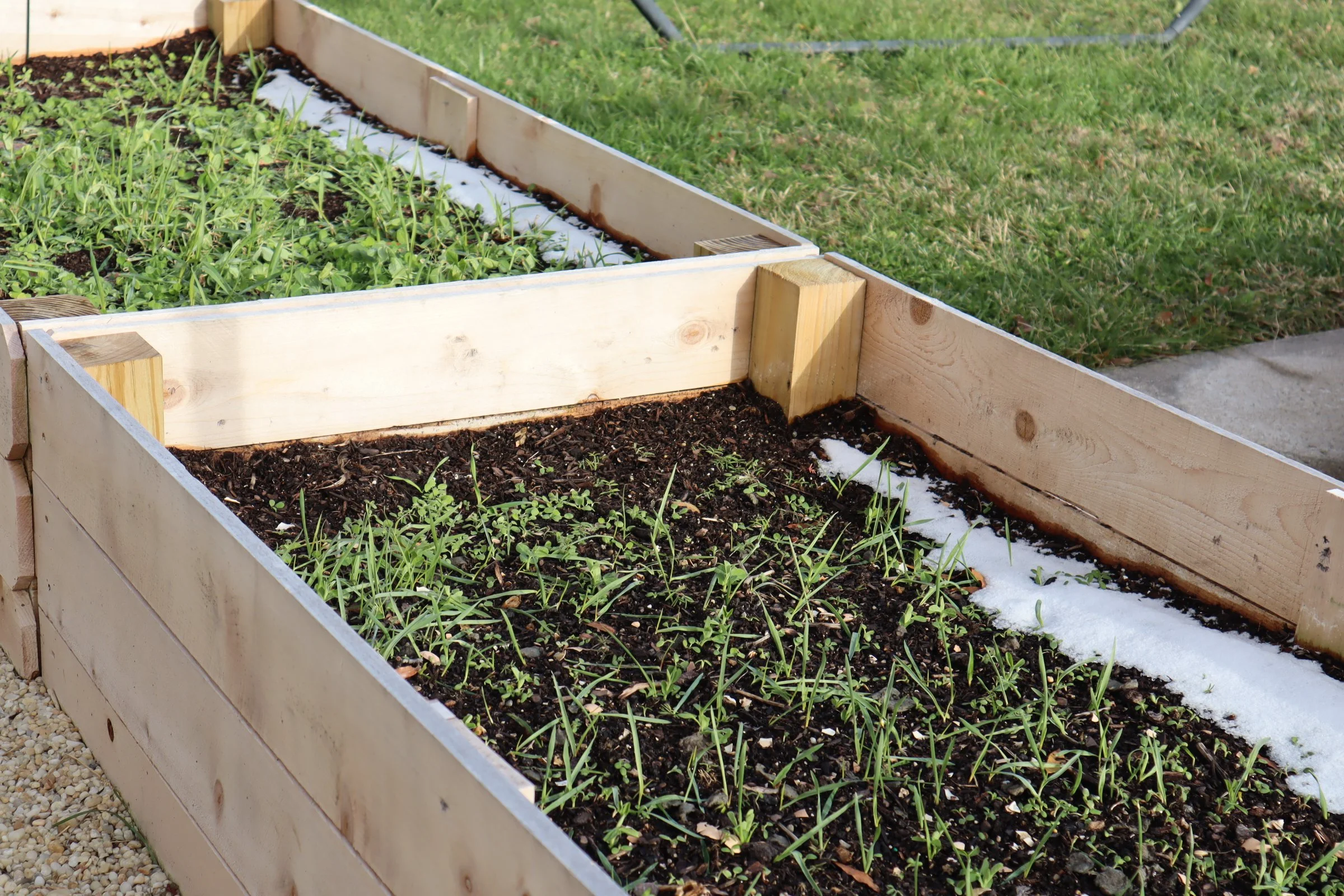
As gardeners, we spend so much time thinking about what to plant, when to plant it, and how to help it thrive. But one of the most overlooked parts of gardening—the part that quietly determines the long-term health of everything we grow—is the soil beneath our feet.
This year, we decided to take a more intentional approach to nourishing our garden from the ground up. That meant introducing cover crops—a simple, natural, and incredibly effective way to revive soil, add nutrients, suppress weeds, and prepare the garden beds for next season. We purchased ours from Botanical Interests and chose three blends:
Soil Builder Peas and Oats
Hairy Vetch Cover Crop
Crimson Clover Cover Crop
Whether you’re new to gardening or have been tending your beds for years, cover crops can transform the way your soil behaves and how your plants flourish. Here’s everything you need to know about what each of these does, why they matter, and how to use them in your own backyard garden.
What Are Cover Crops?
Cover crops are plants grown not for harvest, but for the health of the soil. Think of them as your garden’s winter blanket—or its healing spa treatment. They protect bare soil, prevent erosion, add valuable nutrients, and improve overall structure.
In nature, soil is never meant to be bare. When we leave empty spaces after harvest, we expose the soil to harsh temperatures, compaction from rain and snow, and nutrient depletion.
Cover crops step in to:
Hold soil in place
Add organic matter
Break up heavy clay or compacted ground
Fix nitrogen (depending on the crop)
Feed the microbial life beneath the surface
Suppress weeds
Help retain moisture
Create a healthier base for next year’s vegetables and flowers
They’re basically the most effortless garden investment with the biggest payoff.
Why We Chose Botanical Interests Cover Crops
Botanical Interests offers high-quality seeds that germinate reliably, and their cover crop mixes are specifically designed for home gardeners. Their packets include straightforward instructions, seeding rates, and helpful insight into what each crop does for the soil.
Since we’re gardening in raised beds and containers, we wanted cover crops that would:
Build nutrient-rich soil
Add organic matter
Break up compacted areas
Improve drainage
Support a healthy spring planting
We ended up choosing three varieties that each bring something unique to the garden.
1. Soil Builder Peas & Oats
A gentle, fast-growing blend that improves soil structure and adds biomass
This mix includes field peas and oats, and it’s perfect for beds that need a nutrient boost without being overwhelmed by a deep-rooted, aggressive crop. It’s especially helpful for raised beds where soil can become tired or depleted after a heavy vegetable season.
Why We Love It
✔ Adds organic matter
Both peas and oats grow quickly and create lush, green foliage. When chopped and turned into the soil in spring, they break down into rich organic matter that feeds the microbes.
✔ Fixes nitrogen
Peas are legumes, which means they work with soil bacteria to capture and store nitrogen. When you cut the plants down in spring, that nitrogen becomes available to whatever you plant next.
✔ Suppresses weeds
This blend grows thick enough to create a living mulch, protecting the soil and preventing weed seeds from sprouting.
✔ Winter-kill friendly
In many zones, the oats will naturally die off with hard frost. This makes spring cleanup easier because the plants partially break down on their own.
Best Uses
Beds growing tomatoes, peppers, squashes, brassicas, greens, or flowers next season
Areas needing a gentle nitrogen boost
Soil that feels dry, crumbly, or lacking structure
Beginner gardeners who want an easy, low-maintenance cover crop
2. Hairy Vetch Cover Crop
A powerhouse nitrogen fixer and soil builder
Hairy vetch is one of the strongest, most beneficial cover crops you can grow—especially for soil that needs a deeper restoration. It grows vigorously, even in rougher soil, and delivers a major nitrogen punch.
Why We Love It
✔ One of the best nitrogen fixers
Hairy vetch can fix up to 200 lbs of nitrogen per acre, which is huge for small garden beds. Your spring crops will absolutely thank you.
✔ Strong root system
Its roots dig deep, improving drainage, breaking up compaction, and helping prepare beds for root vegetables or heavy feeders.
✔ Long-lasting soil conditioning
Hairy vetch decomposes slowly, releasing nutrients over time, which gives your soil long-term benefits.
✔ Cold-hardy
It survives winter extremely well, meaning it keeps protecting your soil longer than other cover crops.
Best Uses
Beds that will grow tomatoes, cucumbers, peppers, and heavy feeders
Areas with clay-packed or compacted soil
Gardeners who want maximum nitrogen without using fertilizers
Gardeners comfortable with a vigorous, long-growing cover crop
3. Crimson Clover Cover Crop
Beautiful, beneficial, and beloved by pollinators
Crimson clover might be the prettiest cover crop you’ll ever plant. In spring, it blooms with deep red flowers that hummingbirds and bees adore. But beyond its beauty, it’s also an incredibly effective soil helper.
Why We Love It
✔ Fixes nitrogen
Like other clovers, crimson clover naturally enriches the soil, especially for spring gardens.
✔ Fast-growing
It sprouts quickly, fills bare soil spaces, and creates a lush blanket of green.
✔ Pollinator magnet
If you let it bloom, the flowers feed early season pollinators before fruiting crops begin producing nectar.
✔ Easy to manage
It’s less aggressive than hairy vetch and tends to stay tidy.
Best Uses
Beds transitioning to spring flowers
Pollinator-friendly gardens
Areas needing nitrogen without being overtaken by growth
Aesthetic gardeners who want beauty even in their soil-building crops
How We Planted Our Cover Crops
Planting cover crops is wonderfully simple. Here’s how we did it in our raised beds:
1. Clear the beds
We removed old plants, roots, and large weeds from summer and fall. You don’t need to make the soil perfect—just enough to allow seeds to touch soil.
2. Loosen the top layer
We lightly raked the top few inches to help seeds settle.
3. Scatter the seeds
We sprinkled the seeds by hand—pretty generously! Cover crops aren’t fussy. We added all 3 in each of our garden beds.
4. Press seeds into soil
Either gently rake them in or simply press them down with your hands.
5. Water well
One good watering jump-starts germination. After that, fall rain usually takes over.
Within about a week, all three cover crop varieties were bright green and already strengthening the soil.
What Happens in Spring?
One of the biggest questions with cover crops is what to do with them once winter is over.
Here’s the plan:
1. Cut them down
Before they flower (except maybe the crimson clover—those blooms are irresistible!), we’ll cut the plants to soil level.
2. Leave the roots in place
Roots enrich the soil and prevent disruption of soil microbes.
3. Lay the tops as mulch or gently work them into the soil
Both options add organic matter and help build long-lasting structure.
4. Wait 2–3 weeks before planting
This gives the chopped plant material a chance to break down.
The result? A deeply nourished, thriving soil ready to support next season’s vegetables, herbs, and flowers.
Final Thoughts: Feed the Soil, Not Just the Plants
Planting cover crops has made me feel more connected to the land—and more intentional about caring for it. As someone who believes in creating a home that’s full of life, beauty, and stewardship, caring for the soil feels like a love letter to future harvests.
You don’t need acres of farmland to reap the benefits of cover crops. Even a single raised bed or container garden can experience a transformation.
If you’re ready to take a simple, meaningful step toward healthier soil, more abundant harvests, and a more sustainable garden, I can’t recommend cover cropping enough. And the Botanical Interests mixes we used are a perfect place to start.
Your garden will thank you—next spring, and for years to come.
By Leah Ann Grace
